How E-Invoicing Software with Tax API Integration Works in Ethiopia
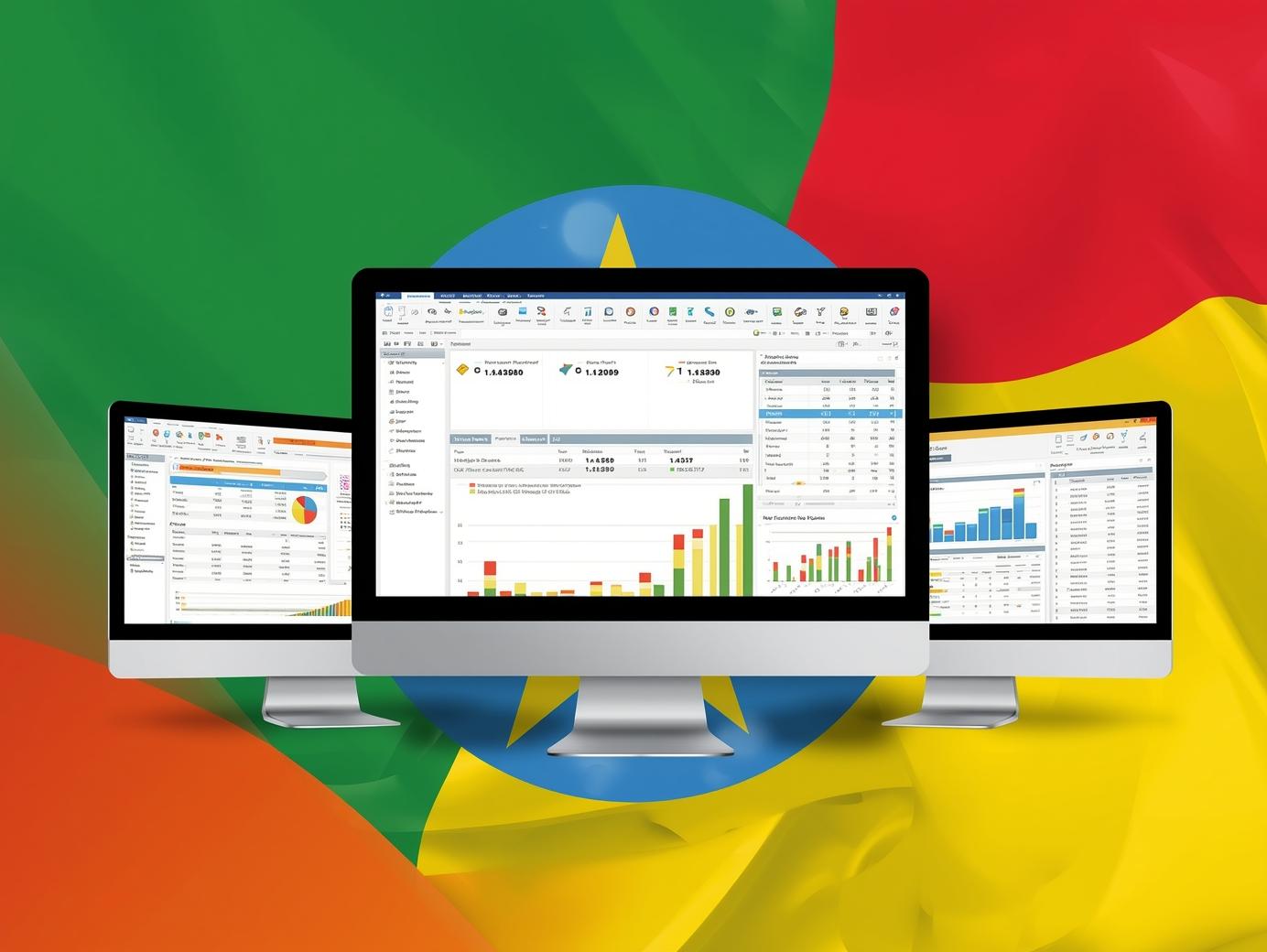
Ethiopian businesses are moving away from paper receipts and manual bookkeeping toward faster, more accurate digital invoicing. At the center of this shift is e-invoicing software with direct Tax API integration — technology that lets a business issue an invoice and transmit it electronically the moment a sale happens, without printed paperwork or manual submission.
If you’re a business owner exploring what this actually means for your day-to-day operations, this article breaks down how e-invoicing works, why Tax API integration matters, and what to look for in a solution.
What Is E-Invoicing Software?
E-invoicing software replaces manual, paper-based billing with a fully digital process. Instead of writing out a receipt or generating an invoice in a spreadsheet, the software automatically creates a structured electronic invoice for every transaction — capturing the sale details, formatting them correctly, and preparing them for transmission.
For a business, this means:
- No more manually filling out receipt books or duplicate paperwork
- Fewer calculation and data-entry errors
- Instant, professional invoices for every customer
- A searchable digital record of every transaction
Why Tax API Integration Matters
The real value of e-invoicing software comes from what happens after the invoice is created. Software with direct Tax API integration connects your point-of-sale or sales system straight to the tax authority’s electronic infrastructure, so each invoice is transmitted automatically and securely — in real time, with no manual filing step.
Here’s what that looks like in practice:
- A sale is made. A cashier or sales agent processes a transaction through the sales interface.
- An invoice is generated. The software automatically formats a compliant e-invoice for that transaction.
- The invoice is transmitted via the Tax API. Invoice data is sent securely to the tax authority’s system the moment the sale is completed — no batching, no manual upload.
- The customer is notified. An SMS and/or email confirmation with a digital receipt is sent instantly.
- The record is archived. The invoice is stored and available for real-time reporting and reconciliation.
Because this all happens automatically in the background, business owners and staff don’t need any special technical knowledge to stay on top of invoicing — the software handles the transmission layer entirely.
Key Benefits for Ethiopian Businesses
Speed. Invoices are generated and transmitted in seconds, not hours or days.
Accuracy. Automated formatting and validation catch errors before an invoice is sent, reducing the risk of rejected or inconsistent records.
Transparency. Every transaction produces a verifiable digital receipt, giving both the business and the customer a clear, time-stamped record.
Resilience. Good e-invoicing software continues to operate during internet interruptions, queuing invoices locally and syncing them automatically once connectivity returns.
Audit readiness. Because every invoice is archived and searchable, pulling records for reporting, reconciliation, or review takes minutes instead of hours of manual searching.
What to Look for in an E-Invoicing Solution
If you’re evaluating e-invoicing software for your business, a few features matter more than others:
- Direct API integration, not manual export/import workflows that still require someone to upload files by hand
- Real-time transmission, so invoices reach the tax system the moment a sale happens
- Offline resilience, so your business can keep operating and issuing invoices even when the internet is unstable
- Automatic customer notifications via SMS and email, so receipts don’t rely on paper or in-person handoffs
- Multi-branch support, if you operate more than one location
- Room to grow — ideally, the same platform can extend into inventory, finance, purchasing, and HR as your business scales, rather than requiring a separate system for each function
How ZalaTech Approaches E-Invoicing
ZalaTech’s e-invoicing software is built around exactly this kind of direct Tax API integration. Every sale processed through our sales interface is automatically converted into a compliant e-invoice and transmitted securely and instantly. Customers receive their digital receipt via SMS or email the moment the transaction completes, and every invoice is archived for real-time reporting.
Because ZalaTech is built as a connected platform rather than a single-purpose tool, businesses can start with sales and e-invoicing and later expand into inventory, finance, purchasing, and HR — all sharing the same underlying data, with no duplicate entry between systems.
Final Thoughts
E-invoicing with Tax API integration isn’t just a compliance checkbox — it’s a genuine operational upgrade. Businesses that adopt it typically see faster checkout, cleaner records, fewer disputes over receipts, and far less time spent on manual reconciliation at the end of each day or month.
If you’re ready to see how this works for your specific business — whether that’s a single retail shop or a multi-branch operation — request a free ZalaTech demo and our team will walk you through the platform, including a live look at invoice generation, Tax API transmission, and customer notifications.